zone 7b planting guide
Zone 7b Planting Guide: An Overview
Zone 7b offers a diverse climate‚ enabling varied gardening possibilities‚ from early spring vegetables to late fall harvests; understanding its nuances is key․
Understanding Zone 7b
Zone 7b represents a transitional climate‚ bridging the gap between milder southern regions and colder northern areas․ This zone is characterized by moderate temperatures and a growing season long enough to support a wide array of plants․ Gardeners in Zone 7b benefit from the ability to cultivate both cool-season and warm-season crops‚ offering flexibility in planting schedules․
However‚ it’s crucial to acknowledge the potential for late spring frosts and occasional winter dips below freezing․ Successful gardening in Zone 7b requires careful plant selection‚ strategic timing of planting‚ and potentially‚ protective measures like row covers or cold frames to safeguard vulnerable plants from unexpected temperature fluctuations․ Understanding these nuances is fundamental for thriving gardens․
What Defines Zone 7b?
Zone 7b is specifically defined by the average annual minimum winter temperature‚ falling between 5°F to 10°F (-15°C to -12°C)․ This range dictates which plants can reliably survive the winter in this region without significant protection․ Geographically‚ Zone 7b stretches across portions of several US states‚ including Tennessee‚ Kentucky‚ Missouri‚ and Virginia‚ as well as areas in Japan and China․
It’s important to remember that these are averages‚ and localized microclimates can exist within Zone 7b․ Factors like elevation‚ proximity to bodies of water‚ and urban heat islands can influence temperatures․ Therefore‚ gardeners should consider their specific location when selecting plants and planning their gardens‚ even within the broader Zone 7b designation․
Average Minimum Winter Temperatures
Zone 7b experiences average annual minimum winter temperatures ranging from 5°F to 10°F (-15°C to -12°C)․ This crucial temperature range is the primary factor determining plant hardiness․ While these are average lows‚ fluctuations can occur; occasional dips below 5°F are possible‚ and gardeners should be prepared for such events․
Understanding these temperatures is vital for selecting plants that can withstand the winter months․ Plants rated for zones lower than 7b are generally safe‚ while those rated higher may require winter protection‚ such as mulching or covering․ Monitoring local weather forecasts during winter is also recommended to anticipate and mitigate potential cold snaps within Zone 7b․

Soil Preparation for Zone 7b Gardens
Successful gardening in Zone 7b begins with well-prepared soil; testing‚ amending‚ and improving drainage are essential steps for healthy plant growth and yields․
Soil Testing and Amendment
Before planting‚ a soil test is crucial to determine pH levels and nutrient deficiencies specific to your Zone 7b garden․ Most local agricultural extension offices offer affordable testing services․ Ideal pH for most plants ranges between 6․0 and 7․0․
Amendments are then added based on test results․ Common amendments include compost‚ well-rotted manure‚ or peat moss to improve soil structure and fertility․ For acidic soils‚ lime can raise the pH‚ while sulfur lowers it․ Incorporate amendments thoroughly into the top 6-8 inches of soil․
Consider adding organic matter annually to maintain soil health and provide essential nutrients for robust plant growth throughout the growing season․
Improving Drainage
Zone 7b can experience periods of heavy rainfall‚ making good drainage essential to prevent root rot and other moisture-related issues․ Assess your soil’s drainage by digging a hole and filling it with water; it should drain within a few hours․
To improve drainage‚ incorporate organic matter like compost or well-rotted manure․ This improves soil structure‚ creating air pockets for water to flow through․ Raised beds are an excellent solution‚ especially in areas with heavy clay soil․
Consider adding gravel or sand to particularly compacted areas‚ but avoid excessive sand as it can worsen drainage in clay soils․ Proper drainage ensures healthy root development and thriving plants․
Composting for Zone 7b
Composting is invaluable in Zone 7b‚ enriching your garden soil and reducing waste․ A balanced compost pile requires “greens” (nitrogen-rich materials like grass clippings and kitchen scraps) and “browns” (carbon-rich materials like leaves and shredded paper)․
Maintain a roughly 2:1 ratio of browns to greens‚ and turn the pile regularly to aerate it․ A well-maintained compost pile will heat up‚ accelerating decomposition․ Finished compost should be dark‚ crumbly‚ and earthy-smelling․
Zone 7b’s moderate climate allows for year-round composting‚ though decomposition may slow in winter․ Use compost to amend your soil before planting‚ or as a top dressing around established plants for a nutrient boost․
Best Vegetables to Plant in Zone 7b
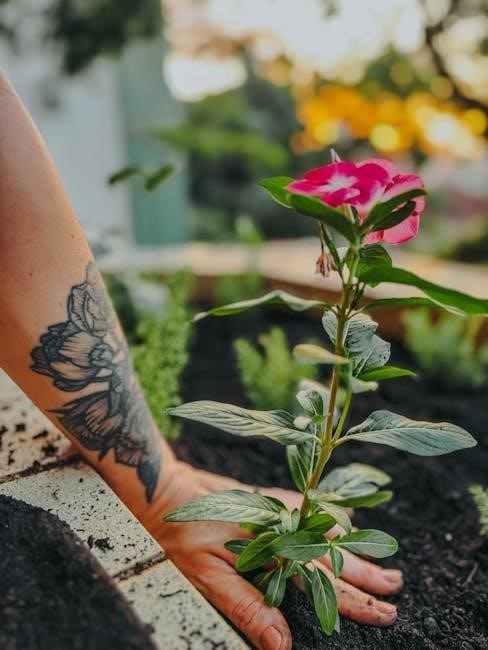
Zone 7b supports a long growing season‚ ideal for diverse vegetables like tomatoes‚ peppers‚ beans‚ lettuce‚ and root crops – plan accordingly!
Early Spring Vegetables
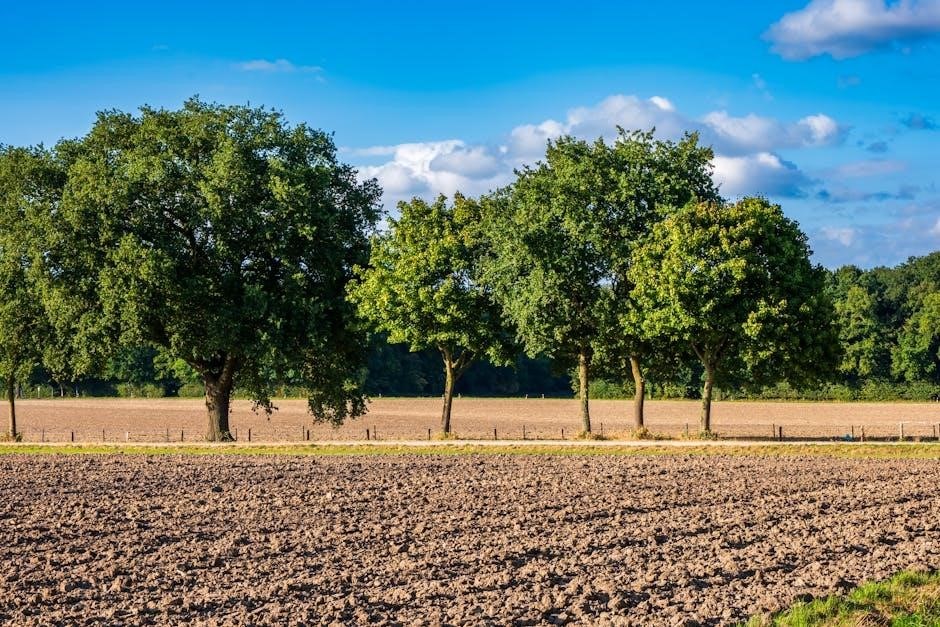
Zone 7b’s milder winters allow for an early start to the growing season․ Take advantage of this by planting cool-season crops as soon as the soil can be worked‚ typically in March or early April․ Consider planting fast-maturing vegetables like spinach‚ radishes‚ and lettuce for a quick harvest․
Peas are also excellent choices for early spring‚ offering a sweet and tender addition to your meals․ Carrots and beets can be directly sown into the garden‚ providing a colorful and nutritious harvest․ Don’t forget about leafy greens like kale and Swiss chard‚ which thrive in cooler temperatures․ Protecting these early plantings with row covers can help shield them from late frosts and ensure a successful start to your gardening season․
Warm-Season Vegetables
Zone 7b truly shines when warm-season vegetables are planted after the last frost‚ generally in May․ Tomatoes‚ peppers‚ and eggplants are staples‚ benefiting from full sun and well-drained soil․ Start seeds indoors 6-8 weeks before the last frost for a head start‚ or purchase transplants from a local nursery․
Cucumbers‚ zucchini‚ and summer squash thrive in the heat‚ producing abundant yields throughout the summer․ Beans‚ both bush and pole varieties‚ are also excellent choices․ Corn requires ample space and consistent watering․ Remember to provide support for vining plants like tomatoes and cucumbers to maximize space and air circulation‚ reducing the risk of disease․ Consistent watering is crucial for these heat-loving vegetables․
Fall/Winter Vegetables
Zone 7b’s moderate winters allow for a surprisingly extended growing season with careful planning․ Plant cool-season vegetables in late summer for a fall and even winter harvest․ Spinach‚ kale‚ lettuce‚ and arugula are excellent choices‚ tolerating light frosts․ Root vegetables like carrots‚ beets‚ and radishes also perform well‚ benefiting from the cooler temperatures․
Garlic is typically planted in the fall for a summer harvest the following year․ Cover crops‚ such as rye or winter wheat‚ can be sown to improve soil health over the winter․ Utilizing cold frames or row covers can further extend the growing season‚ protecting plants from harsh weather․ Remember to choose varieties suited for cooler temperatures and shorter day lengths․
Fruit Trees and Berries for Zone 7b
Zone 7b supports a wide array of fruit trees and berries‚ offering delicious homegrown options; proper selection and care are crucial for bountiful harvests․
Choosing the Right Fruit Trees
Selecting fruit trees for Zone 7b requires careful consideration of chill hours‚ a measure of accumulated cold temperatures needed to break dormancy․ Apples‚ pears‚ peaches‚ and plums generally thrive‚ but specific varieties matter․
Look for low-chill varieties if your location within 7b experiences milder winters․ Consider disease resistance – choosing trees bred to withstand common local ailments minimizes future problems․ Rootstock influences tree size; dwarf rootstocks are ideal for smaller gardens‚ while standard rootstocks yield larger trees․
Pollination is vital! Many fruit trees require cross-pollination from a different variety․ Research compatible pairings before planting․ Finally‚ assess available sunlight and soil drainage to ensure optimal growing conditions for your chosen trees․
Berry Bush Varieties
Zone 7b provides excellent conditions for a wide array of berry bushes․ Blueberries‚ both rabbiteye and southern highbush varieties‚ flourish with acidic soil preparation․ Raspberries‚ including both summer-bearing and everbearing types‚ offer delicious harvests․ Blackberries‚ thornless or thorny‚ are also well-suited‚ but can be vigorous spreaders․
Strawberries‚ particularly June-bearing and day-neutral cultivars‚ are popular choices․ Consider space requirements; some varieties need more room than others․ Ensure proper pollination for optimal fruit set‚ especially with blueberries․
Regular pruning is essential for maintaining berry bush health and maximizing yields․ Selecting disease-resistant varieties minimizes potential problems and ensures bountiful harvests for years to come․
Pollination Considerations
Successful fruit production in Zone 7b often hinges on effective pollination․ Many fruit trees require cross-pollination‚ meaning pollen from a different variety is needed for fruit set․ Research compatible pairings before planting․ Berry bushes also benefit from pollination‚ though some are self-fertile․
Attracting pollinators like bees and butterflies is crucial․ Plant flowering herbs and companion plants nearby to provide a consistent food source․ Avoid pesticide use during bloom times‚ as this can harm beneficial insects․
For certain fruits‚ hand-pollination may be necessary‚ especially in areas with limited pollinator activity․ Understanding bloom times and ensuring overlapping periods between varieties maximizes pollination success and abundant harvests․
Flowers for a Vibrant Zone 7b Garden
Zone 7b’s extended growing season supports a wide array of flowering plants‚ offering continuous blooms from spring through fall‚ enhancing garden aesthetics․
Spring Blooming Flowers
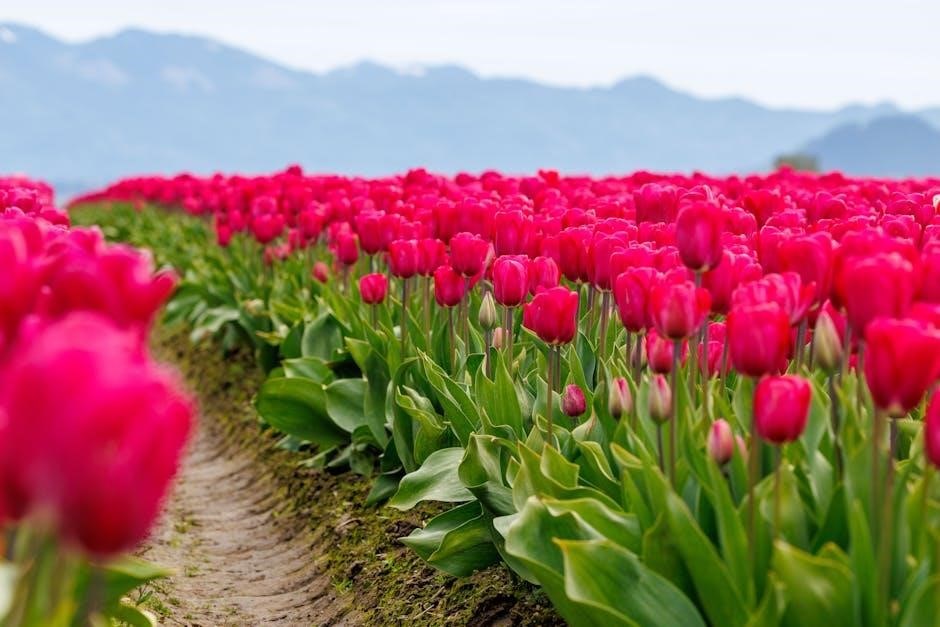
Zone 7b welcomes a delightful burst of color with early spring bloomers․ Consider planting cheerful daffodils and tulips for a classic display‚ ensuring a vibrant landscape as temperatures rise․ Pansies and violas offer continuous color‚ tolerating cooler temperatures and providing early pollinator support․
For a fragrant touch‚ hyacinths and fragrant lilacs are excellent choices․ Bleeding hearts add a unique‚ delicate charm to shaded areas․ Don’t forget about primroses‚ offering a wide range of colors and blooming early in the season․ These spring-blooming flowers not only beautify your garden but also signal the arrival of warmer days and renewed growth‚ creating a welcoming and lively outdoor space․
Summer Blooming Flowers
Zone 7b’s warm summers provide ideal conditions for a profusion of vibrant blooms․ Sunflowers are a classic choice‚ adding height and cheerfulness․ Zinnias offer a rainbow of colors and attract butterflies‚ making them a delightful addition․ Petunias provide continuous blooms in hanging baskets or garden beds‚ thriving in the heat․
For a touch of elegance‚ consider roses‚ selecting varieties suited to the 7b climate․ Coneflowers (Echinacea) are drought-tolerant and attract pollinators․ Daylilies are incredibly versatile and come in numerous colors and forms․ These summer-blooming flowers create a lush and colorful garden‚ providing beauty and supporting local ecosystems throughout the warmest months․
Fall Blooming Flowers
Zone 7b gardens don’t have to end with summer! Fall-blooming flowers extend the season’s beauty․ Asters are a star‚ offering daisy-like blooms in shades of purple‚ pink‚ and white‚ attracting late-season pollinators․ Chrysanthemums (mums) provide a burst of color as the days shorten‚ available in a wide array of hues and forms․
Sedum‚ also known as stonecrop‚ offers unique flower heads that transition beautifully from green to rosy-red․ Japanese anemones provide delicate‚ cup-shaped flowers in shades of pink and white․ These resilient blooms thrive in cooler temperatures‚ providing a final flourish of color before winter arrives‚ ensuring a vibrant garden well into autumn․

Planting Calendar for Zone 7b
Zone 7b’s extended growing season allows for a flexible planting schedule‚ with spring‚ summer‚ and fall opportunities for diverse crops and vibrant blooms․
Spring Planting Schedule
As temperatures warm in Zone 7b‚ early spring (March-April) is ideal for cool-season crops․ Start seeds indoors for tomatoes‚ peppers‚ and eggplant six to eight weeks before the last expected frost․ Direct sow hardy vegetables like spinach‚ lettuce‚ peas‚ radishes‚ and carrots as soon as the soil can be worked․
Potatoes can be planted in early to mid-spring․ Consider succession planting of lettuce and radishes for a continuous harvest․ Bulbs like tulips‚ daffodils‚ and hyacinths‚ planted in the fall‚ will burst into bloom․ Don’t forget to harden off seedlings before transplanting them outdoors to acclimate them to the outdoor conditions․ Monitor for late frosts and be prepared to protect tender plants․
Summer Planting Schedule
Zone 7b summers are long and warm‚ perfect for heat-loving plants․ Continue succession planting of beans‚ squash‚ and cucumbers throughout June and July for a prolonged harvest․ Tomatoes‚ peppers‚ and eggplants‚ started earlier‚ will thrive․ Consider planting a second crop of bush beans after the first harvest․
Warm-season herbs like basil‚ rosemary‚ and thyme flourish․ Monitor for pests and diseases‚ as they are more prevalent in the heat․ Water deeply and consistently‚ especially during dry spells․ Prepare beds for fall planting towards the end of summer‚ incorporating compost to enrich the soil․ Enjoy the abundance of your summer garden!
Fall Planting Schedule
Zone 7b’s fall offers a second planting opportunity for many crops․ August and September are ideal for sowing cool-season vegetables like spinach‚ lettuce‚ kale‚ and radishes․ Garlic and onion sets can be planted in late fall for a summer harvest․ Cover crops‚ such as rye or clover‚ improve soil health over winter․
Continue harvesting summer crops until the first frost․ Prepare garden beds with compost and aged manure․ Plant spring-blooming bulbs like tulips and daffodils․ Monitor for early frosts and protect sensitive plants with row covers․ Fall is also a great time to transplant shrubs and trees‚ allowing them to establish roots before winter․
Pest and Disease Management in Zone 7b
Zone 7b’s moderate climate fosters various pests and diseases; proactive strategies‚ including organic controls and preventative measures‚ are crucial for garden health․
Common Garden Pests
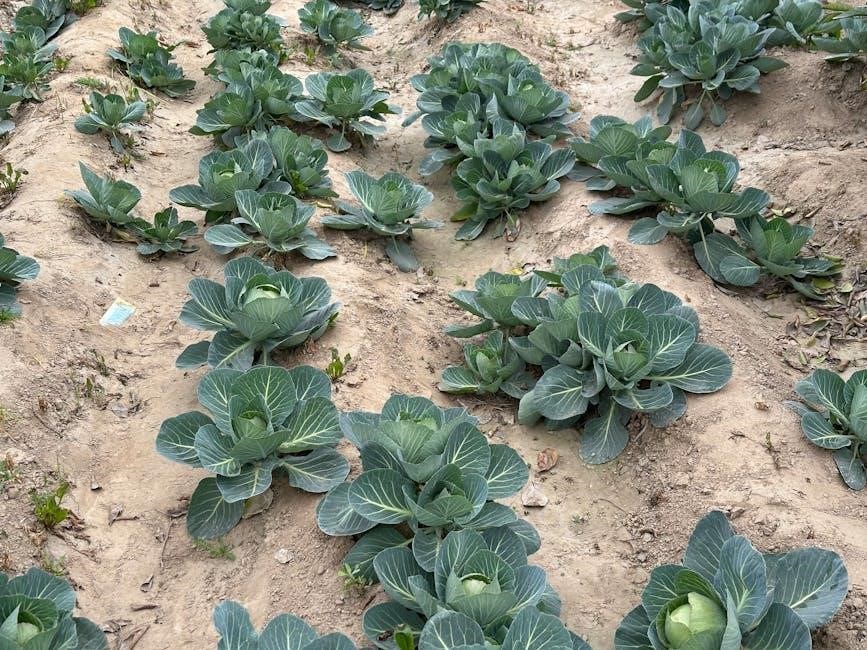
Zone 7b gardens frequently encounter a range of troublesome pests․ Aphids‚ tiny sap-sucking insects‚ can quickly colonize plants‚ distorting growth and spreading viruses․ Cabbage loopers‚ notorious for devouring brassicas like broccoli and cabbage‚ require vigilant monitoring․ Japanese beetles‚ with their metallic sheen‚ skeletonize leaves and damage flowers․
Slugs and snails pose a threat to tender seedlings and low-growing plants‚ especially during damp conditions․ Tomato hornworms‚ large green caterpillars‚ can defoliate tomato plants rapidly․ Squash bugs and vine borers target cucurbits‚ hindering their development․ Deer‚ while not insects‚ are significant herbivores in many Zone 7b areas‚ browsing on a wide variety of plants․ Regular garden inspections and prompt action are essential for managing these common invaders․
Disease Prevention Strategies
Zone 7b’s humid summers can foster fungal diseases․ Prioritize air circulation by spacing plants adequately and pruning dense foliage․ Employ crop rotation to disrupt disease cycles‚ avoiding planting the same family in the same location year after year․ Select disease-resistant plant varieties whenever possible‚ bolstering natural defenses․
Water plants at the base to minimize leaf wetness‚ reducing fungal spore spread․ Regularly remove and dispose of infected plant debris – do not compost it․ Consider using organic fungicides‚ like copper sprays or neem oil‚ as preventative measures․ Soil health is crucial; well-drained‚ nutrient-rich soil supports robust plant immunity․ Maintaining a clean garden environment minimizes pathogen reservoirs‚ promoting overall plant health in Zone 7b․
Organic Pest Control Methods
Zone 7b gardens benefit greatly from eschewing synthetic pesticides․ Encourage beneficial insects – ladybugs‚ lacewings‚ and parasitic wasps – by planting pollinator-friendly flowers like dill and yarrow․ Handpicking pests‚ such as tomato hornworms‚ is effective for smaller infestations․
Introduce Bacillus thuringiensis (Bt) for caterpillar control‚ and diatomaceous earth to deter slugs and crawling insects․ Utilize insecticidal soap for aphids and whiteflies‚ ensuring thorough coverage․ Companion planting – marigolds deter nematodes‚ basil repels flies – offers natural protection․ Regularly inspect plants for early signs of pest damage․ Maintaining healthy soil and strong plants builds resilience against infestations in Zone 7b‚ minimizing the need for intervention․

Extending the Growing Season in Zone 7b
Zone 7b gardeners can utilize cold frames‚ row covers‚ and indoor seed starting to maximize yields and enjoy fresh produce for longer periods․
Using Cold Frames
Cold frames are invaluable tools for Zone 7b gardeners seeking to extend the growing season․ These structures‚ essentially bottomless boxes with transparent lids‚ create a microclimate warmer than the surrounding air․ They protect plants from frost‚ wind‚ and excessive rain‚ allowing for earlier spring starts and later fall harvests;
Simple cold frames can be constructed from reclaimed materials like old windows and lumber․ Position them in a sunny location‚ ideally facing south‚ to maximize solar gain․ Ventilation is crucial; prop open the lid during warmer days to prevent overheating․ Cold frames are perfect for hardening off seedlings‚ protecting tender crops‚ and even overwintering certain vegetables like spinach and lettuce․ Regularly monitor temperatures inside the frame to ensure optimal growing conditions‚ adjusting ventilation as needed․
Row Covers and Cloches
Row covers and cloches offer flexible season extension for Zone 7b gardens․ Row covers‚ lightweight fabrics draped directly over plants‚ provide frost protection and create a warmer microclimate․ They allow sunlight and water to penetrate while shielding against pests and wind․ Cloches‚ traditionally bell-shaped glass covers‚ now often made of plastic‚ offer similar benefits but protect individual plants or small groupings․
Both methods are easy to implement and remove as weather conditions change․ Secure row covers with soil‚ rocks‚ or pins to prevent wind damage․ Ensure adequate ventilation under cloches to avoid overheating․ These simple tools can significantly expand the range of crops you can grow and extend your harvest period‚ offering a practical solution for maximizing garden productivity in a variable climate․
Indoor Seed Starting
Indoor seed starting is crucial for Zone 7b gardeners aiming for a longer growing season․ Begin 6-8 weeks before the last expected frost‚ utilizing seed starting trays and a quality seed starting mix․ Provide consistent moisture and warmth – a heat mat can significantly improve germination rates․ Adequate light is essential; fluorescent grow lights or LED grow lights are preferable to windowsills‚ ensuring strong‚ healthy seedlings․
Harden off seedlings gradually by exposing them to outdoor conditions for increasing periods before transplanting․ This acclimation process prevents shock․ Starting seeds indoors allows you to get a head start on warm-season crops like tomatoes and peppers‚ maximizing yields in your Zone 7b garden․