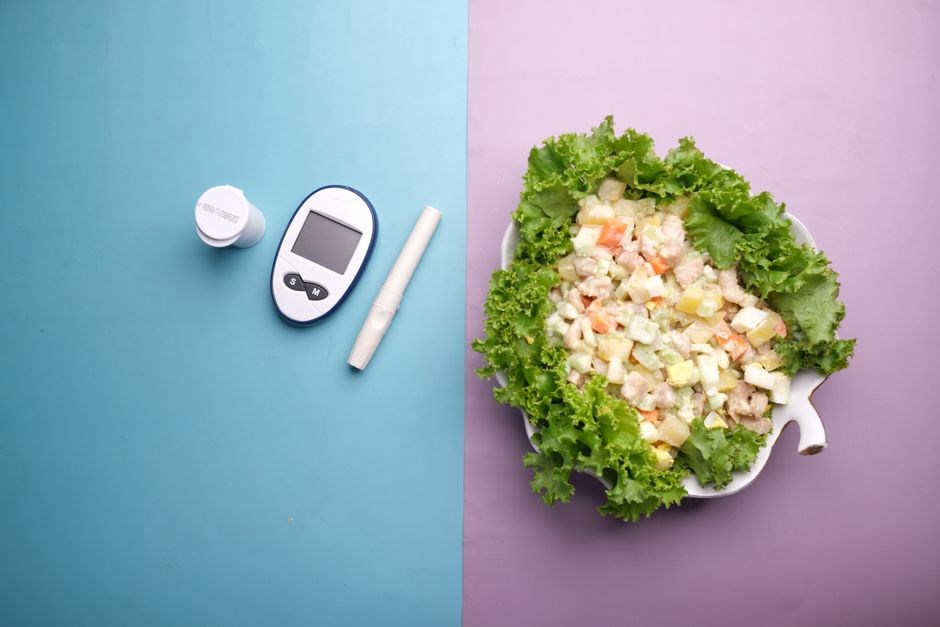
psoriasis diet plan pdf
Explore a psoriasis diet plan PDF that offers a printable food chart and meal tips, emphasizing anti‑inflammatory foods—fish, seeds, fruit, Mediterranean staples—while discouraging triggers like red meat, sugar, and processed items. This guide helps reduce flare‑ups and supports skin health.
Stay informed

What is a Psoriasis Diet Plan PDF?
A Psoriasis Diet Plan PDF is a digital resource that consolidates evidence‑based nutrition strategies tailored to individuals with psoriasis. It typically contains a categorized food chart that highlights anti‑inflammatory items—such as fatty fish, leafy greens, nuts, seeds, and whole grains—alongside a list of foods commonly associated with flare‑ups, including red meat, refined sugars, and heavily processed products. The PDF format allows for easy printing and on‑the‑go reference, making it convenient for patients to incorporate dietary changes into daily routines. Many versions also feature a meal‑tips sheet, offering practical suggestions for meal preparation, portion control, and grocery shopping. By combining a structured eating plan with lifestyle recommendations, the document serves as a comprehensive guide to support skin health, reduce systemic inflammation, and potentially improve overall well‑being for those managing psoriasis.

Users can quickly scan the chart, cross‑reference ingredients, and adapt portions to fit personal caloric needs. The PDF also includes a quick‑start guide, a glossary of key terms, and a FAQ section addressing common concerns such as how to transition from a standard diet to a psoriasis‑friendly one. Because the file is in PDF format, it can be viewed on any device, printed in full color, or saved for offline reference during grocery trips or meal prep sessions.
Because the file is PDF, preserves formatting across platforms and can be annotated with notes highlights for personalized tracking.!

Key Components of the PDF Guide
Essential parts include a categorized food chart, a concise meal‑tips sheet, a quick‑start guide, a glossary of terms, and an FAQ section. These tools help users navigate choices, plan meals, and address common questions about psoriasis‑friendly nutrition. It is printable and includes a quick index for navigation!.
Psoriasis Food Chart PDF
The Psoriasis Food Chart PDF is a comprehensive, printable guide that categorizes foods into supportive, neutral, and trigger groups. Supportive items—rich in omega‑3 fatty acids, antioxidants, and fiber—include fatty fish, leafy greens, berries, nuts, seeds, and whole grains. Neutral foods, such as lean poultry, dairy alternatives, and moderate portions of legumes, can be incorporated without provoking flare‑ups. Trigger foods, which are known to exacerbate inflammation, are clearly marked and advised against: processed meats, refined sugars, high‑fat dairy, and certain grains. The chart also highlights portion sizes, daily limits, and suggested meal pairings to maintain balanced nutrition. Users can easily scan the PDF to identify which foods to prioritize, which to consume sparingly, and which to avoid entirely. The layout is user‑friendly, with color‑coded sections and a quick‑reference key for busy lifestyles. By following this chart, individuals with psoriasis can make informed dietary choices that support skin health and overall well‑being, while the printable format allows for easy updates and sharing with healthcare providers. The PDF also includes a quick‑start checklist, a weekly meal planning template, and a glossary of key terms such as “anti‑inflammatory” and “trigger.” Users can annotate directly on the PDF or print multiple copies for each family member. The guide encourages mindful eating, hydration, and regular review of progress with a nutritionist. By integrating this chart into daily routines, patients can reduce reliance on medications and experience smoother skin. See a specialist.!
Psoriasis Meal Tips Sheet PDF
The Psoriasis Meal Tips Sheet PDF is a concise, actionable companion to the food chart, offering daily meal suggestions, portion guidance, and practical strategies to keep inflammation low. It presents a rotating menu of breakfast, lunch, dinner, and snack ideas that emphasize omega‑3 rich foods, leafy greens, and antioxidant‑laden fruits while steering clear of known triggers such as refined sugars and processed meats. The sheet includes a “quick‑prep” section for busy days, featuring overnight oats, smoothie packs, and pre‑cut vegetable trays that can be assembled in minutes. Portion control is highlighted with visual cues—two servings of protein, three servings of vegetables, and one serving of whole grains—ensuring balanced macro‑nutrient intake. A hydration reminder encourages at least eight glasses of water per day, noting that adequate fluid intake helps flush toxins and maintain skin moisture. The PDF also lists a weekly grocery checklist, organized by food group, to streamline shopping and reduce impulse purchases of trigger foods. Users can annotate the sheet directly or print multiple copies for family members. The tips sheet concludes with a “flare‑up tracker” where patients record symptoms, dietary triggers, and mood, allowing for data‑driven adjustments with a healthcare provider. By integrating these practical meal strategies into everyday life, individuals can support skin health, manage weight, and reduce reliance on topical treatments. Remember, consistency is key; track your meals, symptoms, and adjustments to refine the plan over time daily. again.!

Foods to Include
Include omega‑3 fish, leafy greens, berries, nuts, seeds, whole grains, and fermented foods. Focus on Mediterranean staples, lean proteins, and colorful vegetables to reduce inflammation and support skin healing. Add turmeric, ginger, and green tea for extra anti‑inflammatory benefits
Mediterranean and Anti‑inflammatory Foods
Adopting a Mediterranean‑style eating pattern is a cornerstone of a psoriasis‑friendly diet plan PDF. This approach emphasizes fresh, minimally processed foods that deliver a robust anti‑inflammatory profile.
Key components include high‑quality olive oil, which is rich in monounsaturated fats and polyphenols that help dampen skin inflammation. Whole grains such as quinoa, farro, and barley provide soluble fiber that supports gut health and reduces systemic inflammation.
Legumes—lentils, chickpeas, and black beans—offer plant‑based protein and additional fiber, while also contributing essential micronutrients like zinc and magnesium. Leafy greens—spinach, kale, arugula, and Swiss chard—deliver vitamins A, C, E, and K, antioxidants that protect skin cells from oxidative stress.
Fatty fish—salmon, mackerel, sardines, and trout—are excellent sources of omega‑3 fatty acids (EPA and DHA) that counteract pro‑inflammatory eicosanoids. Nuts and seeds—walnuts, almonds, chia, flax, and hemp—add omega‑3s, magnesium, and vitamin E, further supporting anti‑inflammatory effects.
Fermented foods—Greek yogurt, kefir, kimchi, sauerkraut, and miso—introduce probiotics that enhance gut microbiota diversity, a factor increasingly recognized for its role in modulating immune responses relevant to psoriasis. Lightly seasoning meals with anti‑inflammatory herbs and spices—turmeric, ginger, garlic, rosemary, and oregano—provides additional bioactive compounds that help lower systemic inflammation.

Foods to Avoid
Avoid red meats, sugary snacks, processed foods, refined grains, and high‑fat dairy. These trigger inflammation and worsen flare‑ups. Stick to whole, unprocessed options for better skin health. Also limit alcohol, caffeine, and night‑time snacking. Avoid sugary drinks and fried foods.!!
Red Meat, Sugar, and Processed Foods
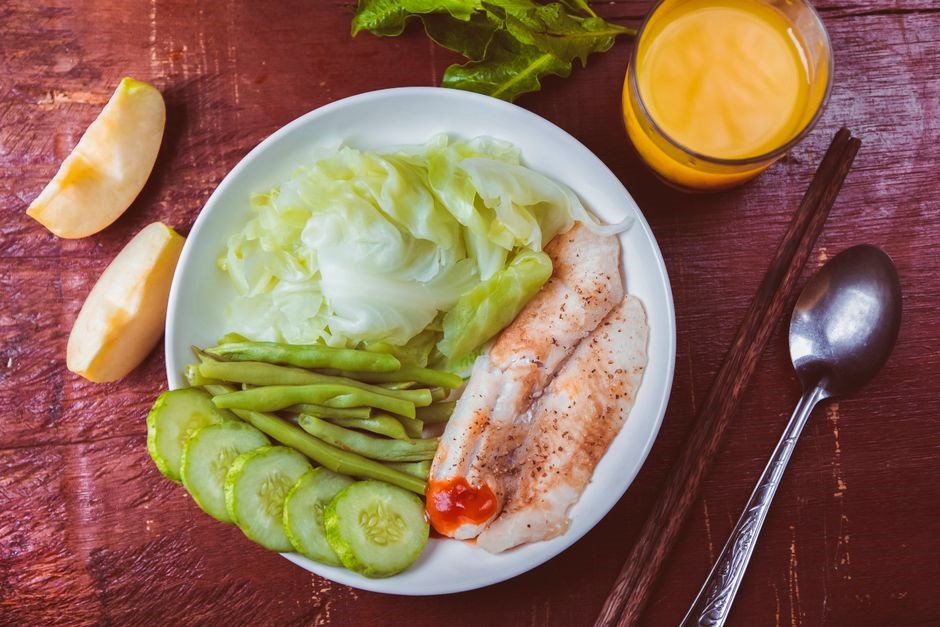
Red meat, sugary items, and processed foods are common triggers that can worsen psoriasis symptoms. Consuming high amounts of saturated fats found in beef, pork, and lamb can increase systemic inflammation, leading to more frequent flare‑ups and skin irritation. Sugary foods—especially refined sugars, sodas, and desserts—cause rapid spikes in blood glucose, which in turn stimulate inflammatory cytokines that aggravate skin lesions. Processed foods, such as ready‑to‑eat meals, canned soups, and snack chips, often contain trans fats, excess sodium, and artificial additives that further fuel inflammation and compromise skin barrier function. Replacing these items with anti‑inflammatory alternatives—lean proteins like poultry, fish, legumes, and plant‑based proteins—can help reduce inflammation. Opting for complex carbohydrates, whole grains, fresh fruits, and vegetables provides antioxidants and fiber that support gut health and immune regulation. Additionally, cutting back on alcohol and caffeine can lower oxidative stress, improving overall skin resilience. A balanced, anti‑inflammatory diet, coupled with regular monitoring of food triggers, can be an effective component of a comprehensive psoriasis management plan, enhancing both skin health and overall well‑being. Health professionals often recommend a gradual elimination approach, tracking symptoms after each dietary change. This personalized strategy allows patients to identify specific foods that provoke flare‑ups and to adjust their diet accordingly. Maintaining a food diary can be invaluable, providing insights into patterns between consumption and skin response. Furthermore, incorporating omega‑3 rich foods such as fatty fish, chia seeds, and walnuts can counterbalance inflammatory pathways. Finally, staying hydrated and ensuring adequate sleep supports skin repair mechanisms, complementing dietary efforts. Patients should also be mindful of hidden sugars in sauces, dressings, and processed meats, as these can silently contribute to inflammation.

Sample 3-Day Meal Plan
Day 1: Oatmeal with berries and flaxseed. Lunch: grilled salmon salad with mixed greens, olive oil. Dinner: quinoa stir‑fry with broccoli, carrots, tofu. Snacks: almonds, green tea. Day 2: low Greek yogurt, nuts, veggie wrap Day 3: Daily Smoothie, lentil soup, sweet potatoes.
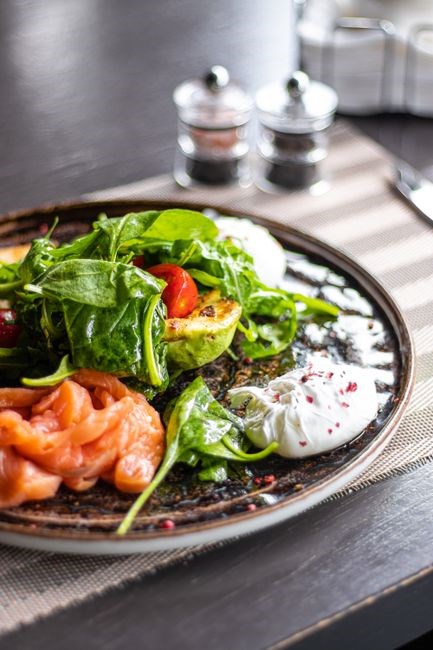
Day 1-3 Overview: This concise snapshot outlines a balanced, anti‑inflammatory rhythm for psoriasis. Each day starts with oats, berries, and flaxseed—omega‑3s soothe skin inflammation. Mid‑morning snacks are light, like raw almonds or a small cup of green tea, helping maintain blood sugar and reduce oxidative stress. Lunch centers on lean proteins and fresh vegetables: grilled salmon or tofu with a vibrant salad of mixed greens, cherry tomatoes, cucumber, and a drizzle of extra‑virgin olive oil, delivering heart‑healthy fats and essential amino acids. Dinner emphasizes whole grains like quinoa or brown rice with sautéed greens, bell peppers, and mushrooms, topped with lean protein. Meals stay low in refined sugars and processed ingredients while rich in fiber, vitamins, and minerals that reinforce skin barrier. Hydration remains paramount; aim for at least eight cups of water, herbal teas, or infused water to aid detoxification and maintain skin moisture. This structured plan supplies the nutrients necessary for skin repair and establishes a predictable eating pattern that can help mitigate flare‑up triggers. By following this rhythm, individuals with psoriasis can experience smoother skin texture, reduced itching, and a sense of well‑being while enjoying flavorful meals. Moreover, mindful eating—savoring each bite, chewing thoroughly, eating at a relaxed pace—can reduce gastrointestinal stress linked to flare‑ups. Rotating protein sources between fish, legumes, and plant‑based options ensures a diverse nutrient profile supporting skin health. Keeping a simple food diary identifies subtle triggers and tracks progress, allowing timely adjustments to the diet. Small, consistent changes accumulate into lasting benefits builds resilience and lasting calm daily Consistency empowers healing and peace of mind!!!??
Additional Lifestyle Tips
Maintain a healthy weight, engage in regular moderate exercise, and consider supplements like vitamin D and omega‑3s. Quit smoking and limit alcohol to reduce inflammation and improve skin health. Consistent routines support overall wellness and help keep psoriasis symptoms under control. Keep skin moist.!!
Weight management is crucial for psoriasis control. A balanced calorie intake paired with regular physical activity helps reduce systemic inflammation and improves skin resilience. Aim for 150–300 minutes of moderate exercise weekly—such as brisk walking, cycling, or swimming to boost circulation and support joint mobility. Combine aerobic sessions with strength training two to three times a week to preserve lean muscle mass and enhance metabolic health; Consistency is key; even short, daily walks can lower stress hormones that trigger flare‑ups. Supplements can complement diet and exercise. Vitamin D, often deficient in psoriasis patients, supports immune regulation and skin repair; aim for 1,000–2,000 IU daily under medical guidance. Omega‑3 fatty acids from fish oil or flaxseed oil reduce inflammatory cytokines and improve skin barrier function; a typical dose is 1–2 g EPA/DHA per day. Curcumin, a natural anti‑inflammatory compound, may help moderate symptoms when taken with black pepper to enhance absorption. Probiotics, particularly Lactobacillus and Bifidobacterium strains, can modulate gut microbiota and lower systemic inflammation, potentially easing skin irritation. Before adding any supplement, consult a healthcare professional to avoid interactions with medications and to tailor doses to individual needs. Together, a disciplined weight management plan, regular exercise routine, and targeted supplementation create a synergistic approach that supports skin health and well‑being reducing the frequency and severity of psoriasis flare‑ups. Daily gratitude!
Smoking Cessation and Alcohol Reduction

Smoking and alcohol are well‑documented triggers that exacerbate psoriasis by increasing oxidative stress and inflammatory pathways. A psoriasis diet plan PDF often recommends complete cessation of tobacco and limiting alcohol to no more than one standard drink per day, or ideally none. Quitting smoking reduces the risk of cardiovascular disease, which is already elevated in psoriasis patients, and improves skin barrier function. To support cessation, the PDF suggests incorporating nicotine replacement therapy, engaging in mindfulness practices, and seeking professional counseling. For alcohol, the guide advises substituting wine or beer with non‑alcoholic alternatives, such as sparkling water infused with citrus, and emphasizes hydration to flush toxins. Additionally, the PDF highlights the importance of a balanced diet rich in antioxidants—berries, leafy greens, and omega‑3 fatty acids—to counteract the inflammatory effects of alcohol. Tracking intake through a food diary can reveal patterns that trigger flare‑ups, enabling timely adjustments. Community support groups and digital apps are recommended to maintain motivation. Finally, regular follow‑ups with a dermatologist can monitor disease activity and adjust recommendations, ensuring a holistic approach that integrates lifestyle changes with medical care. Moreover, patients should be aware that certain medications used for psoriasis, such as biologics, can interact with alcohol, potentially reducing efficacy or increasing side effects. Therefore, maintaining low alcohol intake is advisable during treatment cycles. Smoking also impairs wound healing, which can worsen skin lesions. The PDF recommends setting realistic quit dates, using support hotlines, and celebrating milestones to reinforce progress. For those struggling with alcohol dependence, referral to a specialist program may be necessary. Finally, incorporating stress‑reduction techniques such as yoga, meditation, or breathing exercises can mitigate the psychosocial triggers that often accompany smoking and drinking, thereby creating a more resilient skin environment. In addition, the PDF advises patients to monitor their blood pressure and glucose levels, as both smoking and alcohol can worsen metabolic syndrome, a condition frequently associated with psoriasis. Regular screening for liver function is also recommended, since alcohol consumption can lead to hepatic stress, which may influence systemic inflammation. Engaging in regular physical activity not only aids weight control but also promotes endorphin release, which can counteract the negative mood states that often drive smoking and drinking. The guide encourages setting small, achievable goals, such as reducing cigarette consumption by 10% each week, and tracking progress in a journal. Peer‑support groups, whether in person or online, provide accountability and shared coping strategies. Finally, patients should discuss any changes in their diet or lifestyle with their healthcare provider to ensure that all interventions work synergistically for optimal skin health.