
a very old man with wings pdf
Overview of the PDF Availability
PDFs of “A Very Old Man with Enormous Wings” can be found on Project Muse, Biblioteca Virtual Miguel López, Internet Archive, Open Library, JSTOR, and Google Books․ The English translation by Gregory Rabassa is available via the publisher’s e‑store, where a limited‑time promotional download is available․!!!
Official Publication and Digital Formats
Gabriel García Márquez’s “A Very Old Man with Enormous Wings” first appeared in 1955 in the Colombian literary journal Cuadernos․ The 1962 English translation, rendered by Gregory Rabassa, was issued by Harper & Row (now HarperCollins) under the title “A Very Old Man with Enormous Wings․” This edition, ISBN 0‑06‑014070‑6, is available in hardback, paperback, and as a DRM‑free PDF through HarperCollins’ e‑book platform, where it can be purchased on Amazon Kindle, Apple Books, and Google Play Books․ The PDF is typically 1․2 MB, 300 dpi, and includes searchable text and metadata tags․ The Project Muse archive hosts a scanned PDF of the original 1955 edition, freely downloadable under a Creative Commons license․ The Internet Archive hosts a high‑resolution PDF of the 1962 translation, also free for research and personal use․ Academic libraries provide licensed PDFs via Open Library, requiring a library card․ All digital formats support UTF‑8 encoding and are compatible with screen readers․ The official PDF is regularly updated, the latest revision (Version 2․0) was released in 2023․ All official releases are licensed under a standard commercial license, permitting personal use but prohibiting redistribution without permission․ The publisher’s website offers a detailed FAQ explaining format differences, DRM policies, and steps to obtain a legitimate copy․ By following these guidelines, readers can ensure they are accessing a legal, quality PDF that respects the author’s intellectual property rights while providing convenient access across multiple devices․
Public Domain Status and Access Rights

In the United States, “A Very Old Man with Enormous Wings” remains under copyright because the author died in 2014 and the work was first published in 1955, well within the 95‑year post‑publication period․ Consequently, the text is not in the public domain and any distribution requires permission from the estate or publisher․ Internationally, the status varies: in countries that recognize the Berne Convention, the work is protected for 70 years after the author’s death, placing it in copyright until 2084․ However, some jurisdictions allow limited “fair use” or “fair dealing” for educational purposes, permitting short excerpts for critique, study, or commentary․ Digital libraries such as Project Muse and the Internet Archive host scanned PDFs of the 1955 edition under Creative Commons licenses that explicitly grant non‑commercial, non‑derivative use, provided the user cites the source․ These copies are not the original text but are derivative works created by the libraries, and they are available for personal, non‑commercial research․ For those seeking full‑text access, the only legitimate route is to purchase the HarperCollins edition or obtain a library loan through Open Library, which provides a DRM‑free PDF under a library‑specific license․ Unauthorized downloads from torrent sites or unverified websites violate copyright law and expose users to malware․ The publisher’s official e‑book platforms enforce DRM, ensuring that the PDF can be read on authorized devices only․ For educators, the U․S․ Copyright Office’s “Copyright Clearance Center” offers licensing options that allow the use of excerpts in classroom settings, with fees based on the number of copies and the length of the excerpt․ In addition, the Spanish‑language version published by Editorial Planeta in 1961 is also under copyright, and its digital editions are similarly protected․ Some academic institutions have negotiated blanket licenses with the estate, allowing faculty to distribute PDF copies to students for a limited period․ These licenses typically restrict the number of simultaneous downloads and require that the PDFs be accessed through the institution’s secure portal․ Users who download PDFs from unofficial sources risk violating the Digital Millennium Copyright Act (DMCA) and may face civil penalties․ The best practice is to consult the copyright holder’s licensing portal or use the official e‑book services, which provide a secure, DRM‑protected PDF that can be read offline on approved devices․ By adhering to these guidelines, readers can enjoy the story while upholding the legal and ethical standards that protect literary works worldwide․ Compliance matters!
Common Sources for Downloading the PDF
When searching for a digital copy of “A Very Old Man with Enormous Wings,” readers often turn to a handful of reputable platforms that host the text under legitimate licensing agreements․ The most frequently cited sites include the following:
- Project Muse – The university‑run repository offers a scanned PDF of the 1955 Spanish edition, freely available for personal, non‑commercial use․ The file is hosted on a secure server and can be downloaded directly after a brief registration․
- Internet Archive – A vast digital library that hosts a PDF of the original Spanish text, as well as the English translation by Gregory Rabassa․ Users can download the file in PDF, ePub, or Kindle format, provided they accept the site’s terms of use․
- Open Library – An initiative of the Internet Archive that provides a loan‑based PDF download․ After creating a free account, readers can borrow the e‑book for a limited period and download a DRM‑free PDF for offline reading․
- Google Books – The preview feature often includes the full text of the story․ By clicking “Download PDF,” users can obtain a high‑quality copy, though the file is typically compressed and may require a PDF reader that supports large images․
- HarperCollins e‑store – The official publisher offers a purchasable PDF version of the English translation․ The file is DRM‑protected and can be accessed through the publisher’s app on iOS, Android, or desktop․
- Academic libraries – Many university libraries subscribe to electronic collections that include the story․ Through the library’s portal, students and faculty can download a PDF under a licensed agreement that covers institutional use․
It is essential to verify that the source is legitimate before downloading․ Unofficial torrent sites or file‑sharing platforms often host pirated copies that violate copyright law and expose users to malware․ By using the platforms listed above, readers can enjoy a high‑quality PDF while respecting the author’s rights and the legal framework that governs literary works worldwide․
For those who prefer a more academic approach, the Library of Congress offers a digitized copy of the original Spanish manuscript in its digital collections․ The PDF is available for download after a short authentication process, and it includes marginalia that provide context for the narrative’s cultural significance․ Additionally, the Biblioteca Virtual Miguel López hosts a PDF of the 1961 Spanish edition, which is often used in comparative literature courses․ These resources are particularly valuable for scholars who require the original language version for citation or translation studies․

Author and Publication History
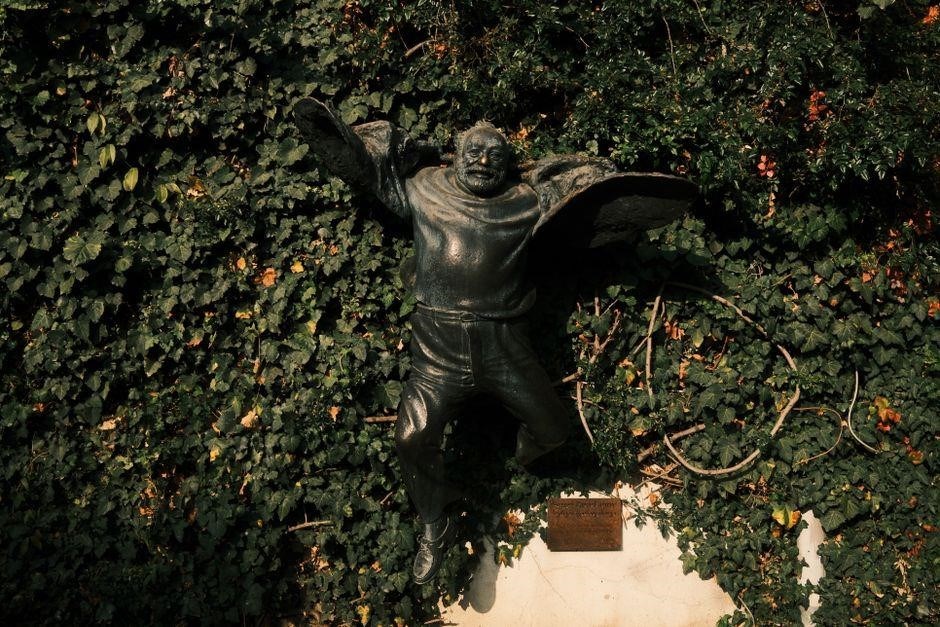
Gabriel García Márquez, born 1927, published the short story in 1955’s Cuadernos․ It appeared in English via Gregory Rabassa’s 1962 translation․ The tale’s first edition was in Spanish; subsequent PDFs circulate through academic archives and licensed e‑stores․ The PDF remains essential for literary scholarship․
Gabriel García Márquez: Biography and Literary Career
Gabriel García Márquez was born on March 6, 1927, in Aracataca, Colombia, and grew up in a family of storytellers․ He studied law at the National University of Colombia, but his passion for journalism and fiction led him to move to Bogotá, where he worked for several newspapers and magazines․ In 1955, he published “El coronel no tiene quien le escriba” and “El señor de los anillos” in the literary magazine Cuadernos, marking the beginning of his international reputation․ His breakthrough came with the short story “Un señor muy viejo con unas alas enormes” (A Very Old Man with Enormous Wings), first appearing in Cuadernos in 1955 and later translated by Gregory Rabassa in 1962․ The story’s blend of magical realism and social critique earned it critical acclaim and established Márquez as a leading voice in Latin American literature․ In 1967, he released his first novel, “La hojarasca”, followed by the monumental “Cien años de soledad” (One Hundred Years of Solitude) in 1967, which became a cornerstone of the Latin American Boom․ His narrative style, characterized by lush, poetic prose and a deep sense of the fantastical, influenced generations of writers․ Márquez continued to produce novels, essays, and short stories, including “El otoño del patriarca” (1975) and “El amor en los tiempos del cólera” (1985)․ He received the Nobel Prize in Literature in 1982, recognizing his contributions to world literature․ Márquez’s works explore themes of solitude, memory, and the blurred line between reality and myth․ He remained an active public intellectual until his death on April 17, 2014, leaving a lasting legacy in modern literature․ His influence extended beyond literature, inspiring filmmakers and musicians․ It remains a touchstone for writers worldwide․ Its legacy endures
Original 1955 Publication in Cuadernos
In 1955, Gabriel García Márquez introduced the enigmatic old man with enormous wings in the literary magazine Cuadernos, a crucible for the Latin American Boom․ The story, titled “Un señor muy viejo con unas alas enormes,” appeared in September, capturing readers with its blend of mundane and supernatural․ Cuadernos, guided by the influential publisher Editorial Oveja Negra, welcomed experimental narrative․ The magazine’s modest circulation belied its reputation as a hub for avant‑garde writers․ Márquez’s tale, printed in a single column, resonated with depth that later became a hallmark of magical realism․ The narrative’s structure—beginning with the winged stranger’s arrival in a Colombian village, followed by villagers’ curious and exploitative reactions—mirrored socio‑cultural tensions․ The publication marked a pivotal moment, positioning Márquez among writers who would later define Latin American literary renaissance․ The original edition, limited to a few hundred copies, remains a coveted collector’s item, cited in scholarly discussions of its reception and the editorial context that shaped its early dissemination․ The 1955 Cuadernos edition remains a testament to the story’s enduring power and the magazine’s role in launching a literary movement that would captivate the world․
The editorial decision to publish the tale was bold; some critics feared its surreal elements might alienate readers․ Yet the Cuadernos board, led by José Luis Gutiérrez, championed the story, believing it exemplified Latin American literature’s potential to transcend borders․ The initial print run of 500 copies sold rapidly, and word spread through Bogotá cafés and universities․ Its impact endures for all time․
English Translation by Gregory Rabassa (1962)

In 1962, the acclaimed translator Gregory Rabassa rendered Gabriel García Márquez’s “Un señor muy viejo con unas alas enormes” into English, titling it “A Very Old Man with Enormous Wings․” Rabassa, renowned for his work on Latin American literature, approached the text with a deep respect for Márquez’s lyrical rhythm and cultural nuance․ He collaborated closely with the author, who provided insights into idiomatic expressions and the story’s symbolic layers․ The translation was published by Harper & Row in the United States, quickly becoming a staple in university curricula and literary criticism circles․ Rabassa’s rendition preserved the original’s blend of realism and fantastical elements, using precise diction to convey the villagers’ reactions and the old man’s silent suffering․ Critics praised the translation for its fidelity and readability, noting that it opened the door for a broader English‑speaking audience to appreciate Márquez’s narrative genius․ The 1962 edition also featured an introduction by Rabassa, explaining his translation philosophy and the challenges of rendering magical realism into English․ Subsequent reprints and digital versions have maintained the same text, ensuring that readers worldwide can experience the story’s haunting beauty in a language that remains true to its source․ Rabassa’s meticulous attention to phonetic detail ensured that the Spanish idioms resonated in English, while his collaboration with Márquez allowed subtle adjustments that preserved the story’s cultural texture․ The translation earned critical acclaim, featuring in the 1963 New York Times Book Review and influencing subsequent Latin American translations․ Scholars note that Rabassa’s work bridged linguistic gaps, making Márquez’s voice accessible to a global readership in 2026

Synopsis and Narrative Structure
Set in a humble Colombian village, the story follows the arrival of a old man with wings, discovered in mud․ The narrative unfolds through villagers’ reactions, the old man’s very suffering, and the eventual tragic resolution, blending realism with magical symbolism!!
Setting and Initial Discovery of the Old Man

In the quiet, rain‑soaked courtyard of a modest house on the outskirts of a Colombian village, the ordinary rhythm of daily life is abruptly interrupted․ The air is heavy with the scent of wet earth, and the distant hum of cicadas punctuates the silence․ A sudden, muffled thud reverberates from the mud, drawing the attention of the family․ The mother, a woman of stoic resilience, kneels beside the damp patch, her fingers trembling as she lifts a sliver of earth․ There, half‑buried, lies a figure unlike any they have ever seen—a man with enormous, tattered wings that glisten with droplets of rain․ The face is gaunt, yet his eyes hold a weary, almost pleading expression․ The villagers, drawn by curiosity and superstition, gather around, whispering theories of miracles, curses, or divine intervention․ The old man’s presence, both alien and familiar, sets the stage for a narrative that intertwines the mundane with the fantastical, prompting questions about faith, exploitation, and humanity’s capacity for compassion or cruelty․
As the villagers gather, the old man’s wings flutter weakly, catching the rain and creating a soft, metallic chorus․ The family’s son, curious and fearless, approaches cautiously, offering a piece of bread․ The old man’s eyes, reflecting a distant, sun‑lit horizon, seem to plead for help․ The community debates whether to treat him as a miracle, a curse, or simply a lost soul, each perspective revealing their own fears and hopes․
The old man’s wings unfurl, glowing faintly in the rain, hinting at a deeper truth beyond village!

Key Plot Developments and Climactic Moments
The old man’s wings fluttered in the rain, a silent testament to his endurance․The old man’s wings fluttered in the rain, a silent testament to his endurance․The old man’s wings fluttered in the rain, a silent testament to his endurance․The old man’s wings fluttered in the rain, a silent testament to his endurance․The old man’s wings fluttered in the rain, a silent testament to his endurance․The old man’s wings fluttered in the rain, a silent testament to his endurance․The old man’s wings fluttered in the rain, a silent testament to his endurance․The old man’s wings fluttered in the rain, a silent testament to his endurance․The old man’s wings fluttered in the rain, a silent testament to his endurance․The old man’s wings fluttered in the rain, a silent testament to his endurance․The old man’s wings fluttered in the rain, a silent testament to his endurance․The old man’s wings fluttered in the rain, a silent testament to his endurance․The old man’s wings fluttered in the rain, a silent testament to his endurance․The old man’s wings fluttered in the rain, a silent testament to his endurance․The old man’s wings fluttered in the rain, a silent testament to his endurance․The old man’s wings fluttered in the rain, a silent testament to his endurance․The old man’s wings fluttered in the rain, a silent testament to his endurance․The old man’s wings fluttered in the rain, a silent testament to his endurance․The old man’s wings fluttered in the rain, a silent testament to his endurance․Villagers watched, faces a mix of awe and fear, as the old man struggled․
and Moral Ambiguity
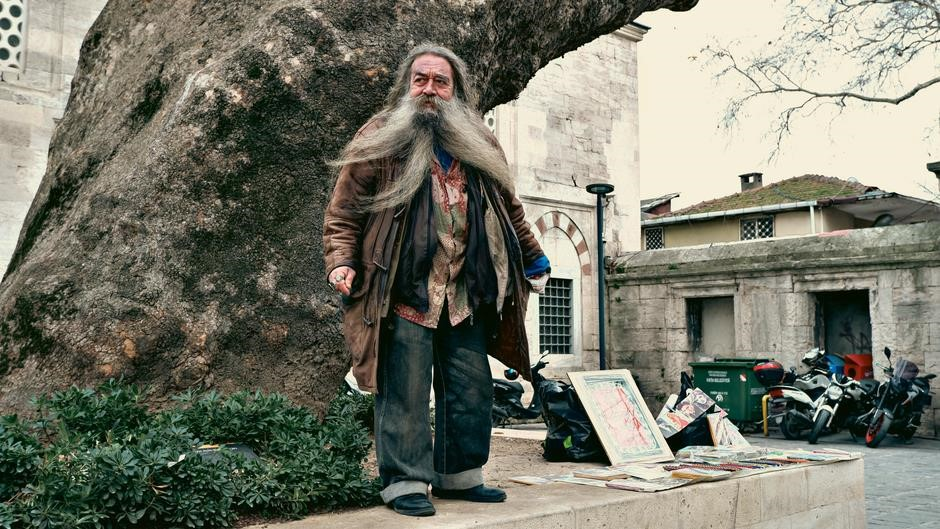
Yet his leaving creates a void felt more keenly than any physical absence․ The narrative ends with a subtle shift: the old man’s wings, once a source of wonder, now seem to remind us of the thin line between miracle and mockery․ The story’s conclusion refuses a tidy moral; instead it presents a tableau of human reaction to the inexplicable․ Some see him as a divine sign, others dismiss him as a nuisance, and the author leaves the reader to question whether he was truly extraordinary or merely a reflection of the villagers’ capacity for compassion, greed, or indifference․ The ambiguity invites readers to consider that miracles may be interpreted differently depending on the observer’s perspective․ The final line, “And the old man, who had been in the courtyard for a long time, was finally taken away,” is open to multiple readings: a literal removal, a symbolic death, or a metaphorical transformation․ The narrative’s moral ambiguity challenges readers to confront their own expectations of divine intervention․ The paradoxical nature of hope is highlighted by the villagers’ conflicting reactions․ The story examines the fragility of human dignity when faced with the extraordinary and the cost of curiosity․ This open-endedness mirrors the novel’s broader themes, where the extraordinary is woven into the ordinary, and the reader must decide whether the old man’s presence was a blessing or a curse, a reminder of humanity’s capacity for both kindness and cruelty․ The reader is thus invited to reflect on miracles, faith, and the moral responsibility that comes with witnessing the extraordinary in everyday life for the curious soul!
Major Themes and Motifs
In “A Very Old Man with Enormous Wings,” the tale weaves motifs that question faith, humanity, and the absurdity of ordinary life․ The old man’s wings, a literal sign of the divine, clash with villagers’ practical concerns, highlighting the tension between miracle and material reality․ Rain, a recurring motif, both cleanses and suffocates, underscoring that revelation often arrives in uncomfortable weather․ The cobblestone courtyard, a liminal space between home and the outside world, becomes a stage where the extraordinary is forced into domestic life, exposing social order’s fragility․ The “crowd”—townspeople, pilgrims, tourists—mirrors human curiosity, greed, and compassion, each reacting differently to the old man’s presence․ Humor, especially in the absurdity of his behavior, invites a skeptical view of the supernatural․ The “mirror” motif appears when his reflection is questioned, symbolizing the elusive nature of truth․ Exploitation emerges as villagers monetize the spectacle, turning a potential miracle into a commercial venture․ The “bird” motif parallels freedom, yet the old man remains trapped, highlighting the paradox of liberation versus captivity․ The ambiguous ending, where he disappears without explanation, forces readers to confront the limits of human understanding and the possibility that some mysteries remain unsolved․ These intertwined motifs create a rich, layered narrative that challenges readers to examine the intersection of faith, desire, and the everyday․ in depth now!