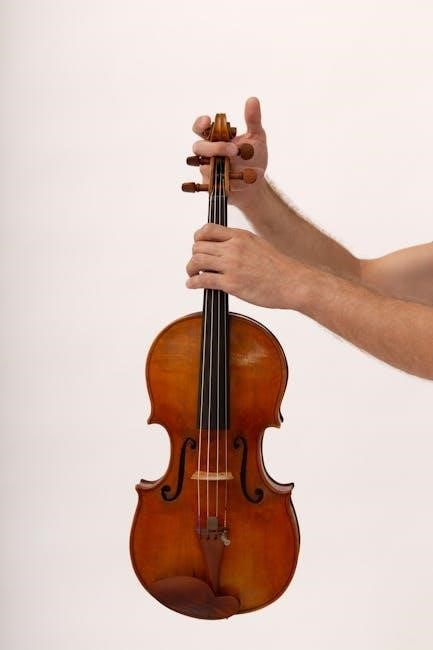
viola suzuki book 4 pdf
Suzuki Viola Book 4 PDF: A Comprehensive Guide
Suzuki Viola Book 4‚ available as a PDF‚ presents Vivaldi and Telemann concertos‚ crucial for advancing students within the Suzuki method’s progressive learning.
Overview of the Suzuki Viola School
The Suzuki method‚ founded by Shinichi Suzuki‚ emphasizes learning music similarly to language acquisition – through listening‚ imitation‚ and repetition. Suzuki viola education prioritizes developing a beautiful tone and fostering a love for music before tackling technical complexities. This approach utilizes a carefully sequenced repertoire‚ starting with simple tunes and gradually progressing to more challenging pieces.
Suzuki lessons typically occur privately‚ supplemented by group classes‚ encouraging collaboration and performance skills. The core of the method relies heavily on recordings; students immerse themselves in the sound before attempting to play‚ internalizing the musicality. Book 4 represents a significant step‚ introducing baroque concertos and demanding increased technical proficiency.
The Significance of Book 4 in the Suzuki Method
Book 4 marks a pivotal transition within the Suzuki viola school‚ moving beyond foundational skills to embrace baroque repertoire. It introduces students to the complexities of Vivaldi’s and Telemann’s concertos‚ demanding refined intonation‚ advanced bowing‚ and confident shifting. This volume isn’t merely about learning notes; it’s about musical interpretation and stylistic understanding.
Successfully navigating Book 4 demonstrates a student’s commitment and technical growth. It prepares them for more advanced literature and cultivates the musical sensitivity central to the Suzuki philosophy‚ fostering a deeper connection with the instrument and the music itself.
Accessing the Suzuki Viola Book 4 PDF
Finding a Suzuki Viola Book 4 PDF requires careful consideration of legality and copyright. Alfred Music offers the Viola Part as an eBook‚ accessible via Amazon and the Kindle app on select devices. Numerous websites advertise free PDF downloads‚ but these often infringe copyright and may contain malware.
Prioritize purchasing a legitimate copy to support the composer‚ publisher‚ and the Suzuki method. Ensure the source is reputable before downloading. Remember‚ ethical usage respects intellectual property and ensures continued access to quality musical resources for all students.

Content Breakdown: Repertoire in Book 4
Suzuki Viola Book 4 features challenging pieces like Vivaldi’s Concerto in G Major and Telemann’s Concerto in G Major for Two Violas‚ fostering advanced skills.
Concerto in G Major by Vivaldi: Analysis
Vivaldi’s Concerto in G Major‚ a cornerstone of Suzuki Viola Book 4‚ presents a significant step in technical and musical development. The piece‚ comprised of Largo‚ Allegro‚ Andante‚ and Presto movements‚ demands precise bowing and intonation. Students grapple with faster tempos and more complex phrasing.
Analyzing this concerto reveals Vivaldi’s Baroque style‚ emphasizing melodic clarity and rhythmic drive. Mastering it requires careful attention to articulation and dynamic contrast. The PDF score facilitates detailed study‚ allowing students to mark fingerings and bowings with their teacher. This concerto builds a strong foundation for tackling advanced repertoire.
Concerto in G Major for Two Violas by Telemann: A Detailed Look
Telemann’s Concerto in G Major for Two Violas‚ featured in Suzuki Viola Book 4‚ introduces the rewarding challenge of ensemble playing. The work‚ structured in Lento‚ Allegro‚ Largo‚ and Vivace movements‚ necessitates careful listening and coordination between the two violas.
This concerto demands nuanced phrasing and balanced dynamics. Students learn to blend their sound with a partner‚ developing crucial chamber music skills. The PDF score allows for collaborative marking and rehearsal preparation. Successfully performing this piece fosters musical sensitivity and a deeper understanding of Baroque counterpoint.
Exploring the Telemann Concerto: Movements and Challenges
The Telemann Concerto within Suzuki Viola Book 4 presents distinct challenges across its four movements. The Lento requires expressive phrasing‚ while the lively Allegro demands precise articulation and rhythmic accuracy. The serene Largo tests sustained tone and intonation‚ and the energetic Vivace necessitates nimble fingerwork.
Students often struggle with coordinating entrances and maintaining balance with the second viola. The PDF score aids in detailed practice. Mastering this concerto builds confidence‚ enhances ensemble skills‚ and cultivates a refined musical ear‚ preparing students for more complex repertoire.

Technical Skills Developed in Book 4
Suzuki Viola Book 4 refines advanced bowing‚ shifting‚ and intonation. Students tackle complex passages‚ building dexterity and musical expression through focused practice.
Advanced Bowing Techniques
Suzuki Viola Book 4 significantly challenges students with advanced bowing techniques; The repertoire‚ featuring concertos by Vivaldi and Telemann‚ demands nuanced control and precision. Players will develop a greater understanding of spiccato‚ sautillé‚ and legato bowing styles‚ essential for expressive phrasing.
The pieces necessitate careful attention to bow distribution‚ weight‚ and speed‚ fostering a refined tone quality. Mastering these techniques is crucial for navigating the demanding passages and achieving a polished performance. Students learn to articulate complex musical ideas through sophisticated bow work‚ building a strong technical foundation.
Shifting and Position Playing
Suzuki Viola Book 4 places a strong emphasis on shifting and position playing‚ expanding the student’s range and technical capabilities. The concertos by Vivaldi and Telemann require frequent and accurate shifts between positions‚ demanding increased fingerboard awareness.
Students refine their ability to execute smooth‚ seamless shifts while maintaining intonation and tone quality. This book builds confidence in navigating higher positions‚ essential for tackling more complex viola literature. Precise finger placement and a relaxed left hand are key to mastering these skills‚ unlocking greater expressive possibilities.
Intonation Refinement
Suzuki Viola Book 4 significantly challenges students to refine their intonation. The demanding repertoire‚ including concertos by Vivaldi and Telemann‚ exposes any inaccuracies in pitch. Precise listening and careful adjustments are crucial for achieving accurate intonation in all positions.
This stage of the Suzuki method focuses on developing a keen ear and internalizing pitch relationships. Students learn to self-correct and anticipate intonation challenges within the musical context. Consistent practice with recordings and guidance from a teacher are vital for achieving a polished and expressive sound.

The Role of Recordings in Suzuki Learning
Recordings are central to the Suzuki method; Book 4 utilizes them for students to internalize phrasing‚ rhythm‚ and proper interpretation of the repertoire.
Importance of Listening to the Accompaniment Tracks
Listening to the accompaniment tracks in Suzuki Viola Book 4 is paramount for developing a comprehensive musical understanding. Students aren’t merely learning notes‚ but absorbing the intended phrasing‚ dynamics‚ and stylistic nuances of pieces like the Vivaldi and Telemann concertos. Repeated listening cultivates an “inner ear‚” enabling accurate intonation and rhythmic precision.
The Suzuki method emphasizes learning by ear‚ and these tracks provide a model for aspiring violists. Familiarity with the full soundscape allows students to integrate their part seamlessly‚ fostering musicality and sensitivity. It’s a crucial step beyond simply reading the score‚ enhancing overall performance quality.
Utilizing Recordings for Self-Assessment
Recordings from Suzuki Viola Book 4 are invaluable tools for self-assessment‚ allowing students to critically evaluate their playing. Comparing one’s performance to the provided model reveals areas needing improvement in intonation‚ rhythm‚ and tone quality. This process encourages mindful practice and independent learning‚ core tenets of the Suzuki method.
Students can identify discrepancies between their execution and the ideal sound‚ fostering a deeper understanding of musical expression. Regularly recording and analyzing performances‚ particularly challenging passages in the Vivaldi or Telemann concertos‚ accelerates progress and builds confidence.

Finding Suzuki Viola Teachers
Suzuki education thrives with qualified teachers offering both private lessons and enriching group classes‚ vital for progressing through Book 4’s repertoire effectively.
Benefits of Private Lessons
Private lessons are fundamental to the Suzuki method‚ offering personalized instruction tailored to the student’s pace and needs while working through Book 4. A dedicated teacher provides focused attention on technical challenges within pieces like the Vivaldi and Telemann concertos.
This individualized approach allows for immediate correction of intonation and bowing‚ crucial for mastering advanced techniques. Furthermore‚ a teacher fosters musicality and sensitivity‚ nurturing a deeper connection with the repertoire. Regular one-on-one sessions build a strong student-teacher relationship‚ essential for consistent progress and motivation throughout the learning journey.
The Value of Group Classes
Complementing private lessons‚ group classes within the Suzuki framework enhance the learning experience of Book 4 repertoire. Students gain valuable performance experience‚ building confidence and refining ensemble skills while tackling challenging pieces like the Telemann concerto.
These classes foster a supportive community‚ encouraging peer learning and motivation. Observing others navigate similar musical hurdles provides insights and inspiration. Group settings also cultivate listening skills and a sense of musical collaboration‚ enriching the overall understanding and enjoyment of the Suzuki method.

PDF Availability and Legality
Suzuki Viola Book 4 PDF copies are found online‚ but ensure legitimate sources are used to respect copyright and ethical music usage.
Where to Find Legitimate PDF Copies
Finding legitimate Suzuki Viola Book 4 PDF copies requires careful navigation. Alfred Music‚ the publisher‚ is a primary source‚ though availability may be limited to specific devices and the Kindle app. Online music retailers sometimes offer official digital versions for purchase. Beware of unauthorized downloads‚ as these infringe on copyright and may contain inaccuracies.
Checking directly with certified Suzuki teachers can also yield recommendations for reliable sources. Many teachers maintain lists of approved vendors or can guide students toward legal purchasing options. Prioritizing official channels ensures quality and supports the creators of this valuable educational material.
Copyright Considerations and Ethical Usage
Suzuki Viola Book 4 is protected by copyright‚ meaning unauthorized reproduction or distribution of the PDF is illegal. Purchasing a legitimate copy supports Dr. Shinichi Suzuki’s method and Alfred Music. Sharing unauthorized PDF files undermines the work of composers‚ arrangers‚ and publishers.
Ethical usage involves respecting these rights; using only purchased copies for personal study and avoiding illegal sharing. Educators should adhere to licensing agreements for classroom use. Promoting respect for intellectual property ensures continued access to quality musical resources for all students.
Supplementary Materials for Book 4
Scale and arpeggio exercises‚ alongside additional études‚ effectively complement the Suzuki Viola Book 4 repertoire‚ enhancing technical proficiency and musical understanding.
Scale and Arpeggio Exercises
Scale and arpeggio exercises are fundamental to mastering Suzuki Viola Book 4. Consistent practice builds finger dexterity‚ intonation accuracy‚ and a strong understanding of key signatures. These exercises should encompass major and minor scales‚ harmonic and melodic forms‚ and various arpeggio patterns.
Focus on smooth bow changes and consistent tone production throughout each exercise. Gradually increase tempo while maintaining precision. Supplementing the repertoire with these technical drills solidifies foundational skills‚ preparing students for the demands of the Vivaldi and Telemann concertos featured in the book. Regular practice is key to noticeable improvement.
Etudes to Complement the Repertoire
Etudes serve as vital companions to the concertos within Suzuki Viola Book 4‚ addressing specific technical challenges. They provide focused practice on bowing techniques‚ shifting‚ and intonation – skills essential for tackling Vivaldi and Telemann.
Consider etudes by Kayser‚ Schradieck‚ or Dont‚ selecting those that target areas needing development. These supplemental pieces offer a controlled environment to refine skills before applying them to performance repertoire. Consistent etude work enhances musicality and builds confidence‚ ultimately enriching the student’s overall understanding and execution.

Common Challenges and Solutions
Suzuki Viola Book 4 presents shifting hurdles in Telemann and difficult passages in Vivaldi; slow practice and focused teacher guidance are key solutions.
Addressing Difficult Passages in Vivaldi
Vivaldi’s Concerto in G Major‚ featured in Suzuki Viola Book 4‚ presents technical challenges for developing players. Rapid passages and intricate ornamentation require meticulous practice. Students should initially practice slowly‚ focusing on accurate intonation and consistent rhythm. Breaking down complex sections into smaller‚ manageable phrases is beneficial.
Utilizing a metronome helps establish a steady tempo‚ gradually increasing speed as proficiency grows. Careful attention to bowing technique – ensuring smooth bow changes and consistent tone – is crucial. Listening repeatedly to professional recordings provides a model for phrasing and articulation. Collaboration with a Suzuki-certified teacher offers personalized guidance and problem-solving strategies for these demanding sections.
Overcoming Shifting Challenges in Telemann
Telemann’s Concerto in G Major for Two Violas‚ within Suzuki Viola Book 4‚ significantly challenges students with its shifting demands. Smooth and accurate position changes are essential for musicality. Begin by practicing shifts slowly‚ focusing on the sound and ensuring a clean transition between positions.
Exercises isolating the shift – approaching the target note from below and above – build muscle memory. Visualizing the fingerboard and anticipating the new position aids accuracy. Consistent practice with a tuner reinforces intonation during shifts. A qualified Suzuki teacher can provide tailored exercises and feedback to address individual shifting difficulties‚ fostering confidence and technique.

The Suzuki Philosophy and Book 4
Suzuki Book 4 nurtures musical sensitivity and a love for music through listening and repetition‚ developing the student as a whole person and musician.
Nurturing Musicality and Sensitivity
Suzuki’s approach in Book 4 emphasizes developing a beautiful tone and expressive phrasing‚ going beyond technical proficiency. Students are encouraged to internalize the music through consistent listening to recordings‚ fostering a deep connection with the composers’ intentions.
This immersive experience cultivates musical sensitivity‚ allowing students to interpret and convey emotions through their playing. The repertoire‚ including works by Vivaldi and Telemann‚ provides opportunities to explore dynamic contrasts and nuanced articulation.
Private lessons‚ central to the Suzuki method‚ allow teachers to tailor instruction to each student’s individual needs‚ nurturing their unique musical voice and fostering a lifelong appreciation for music.
Developing a Love for Music
The Suzuki Viola School‚ Volume 4‚ aims to instill a genuine passion for music‚ not just technical skill. By learning challenging yet rewarding pieces like the Vivaldi and Telemann concertos‚ students experience the joy of musical accomplishment.
Consistent listening to recordings‚ a cornerstone of the Suzuki method‚ immerses students in the beauty of the repertoire‚ fostering an emotional connection. Group classes further enhance this love‚ creating a supportive community of young musicians.
This positive learning environment encourages self-expression and cultivates a lifelong appreciation for the art of music.

Book 4 as a Stepping Stone
Suzuki Viola Book 4 prepares students for advanced literature‚ building a strong foundation in technique and musicality for higher performance levels.
Preparation for Advanced Viola Literature
Suzuki Viola Book 4 serves as a pivotal bridge‚ meticulously preparing students to confidently tackle more complex and demanding viola repertoire. The concertos by Vivaldi and Telemann within this volume cultivate essential skills – refined intonation‚ advanced bowing‚ and secure shifting – directly transferable to challenging pieces.
Mastering these works builds a robust technical and musical foundation. Students develop interpretive abilities and stylistic awareness‚ crucial for navigating diverse composers and periods. This book isn’t merely about learning pieces; it’s about fostering the artistry needed to excel in advanced viola studies and performance.
Transitioning to Higher Levels of Performance
Successfully completing Suzuki Viola Book 4 marks a significant step towards higher performance levels. The demanding repertoire‚ including Vivaldi and Telemann concertos‚ builds stamina‚ precision‚ and musical maturity. Students gain experience performing with accompaniment‚ a vital skill for auditions and concerts.
This volume fosters independence and self-reliance‚ encouraging students to take ownership of their musical development. It prepares them for advanced studies‚ orchestral participation‚ or solo performance opportunities. The skills honed in Book 4 are directly applicable to tackling increasingly complex literature and achieving greater artistic expression.